 Master CAWEB
 How to Transition Into UX or Product Design: A Guide for Career Switchers in the Digital Product Economy
Digital products shape almost every aspect of modern life. From the apps we rely on to manage finances to the platforms powering global businesses, the success of digital technology increasingly depends on how intuitive and enjoyable it is to use. This is where User Experience (UX) and Product Design come in.
According to the World Economic Forum’s Future of Jobs Report 2025, UX and UI design roles rank among the quickly evolving digital professions, driven by global digital transformation and the expansion of AI-powered products.
Over the past decade, UX and product design have evolved from niche disciplines into some of the most sought-after roles in the digital economy. Companies no longer compete solely on functionality or technology. They compete on experience. The way a product feels to use, the ease of navigating it and the clarity of its design can determine whether it succeeds or fails.
For professionals looking to switch careers or expand their digital skillset, UX and product design offer an exciting opportunity to enter one of the fastest-growing and most influential areas of the digital industry.
Industries Driving Demand for UX and Product Designers
The demand for UX and product designers spans a wide range of industries. Some of the most active sectors include:
Technology and SaaS
Software companies rely on intuitive interfaces and seamless workflows to ensure their products are easy to adopt and scale. UX designers help simplify complex tools and improve user engagement across digital platforms.
Fintech and Digital Banking
Banks and fintech companies are rapidly shifting toward mobile and digital services. Designers create secure and user-friendly experiences that make financial tools easier for customers to understand and use.
Healthcare and HealthTech
Digital healthcare platforms and telemedicine services require clear and accessible interfaces for both patients and professionals. UX designers help simplify complex medical information and improve usability across health applications.
E-commerce and Retail
Online retail platforms depend on intuitive navigation and smooth checkout experiences to drive conversions. UX designers optimize the customer journey from product discovery to purchase.
Government and Public Services
Governments are digitizing services to improve accessibility and efficiency for citizens. UX designers help simplify administrative processes and make public services easier to access online.
Because UX design focuses on solving human problems, it remains relevant across almost every digital sector.
Why Consider a Career Transition Into UX?
For many professionals, switching into UX or product design represents more than just learning a new technical skill. It offers the chance to enter a field that combines creativity, technology and problem-solving.
Some of the key benefits include:
Meaningful work that improves digital experiences
UX designers focus on solving real problems by making digital tools easier, more inclusive and enjoyable to use. Their work ensures that people with all Accessibility needs can effectively interact with services and everyday digital platforms.
Cross-industry opportunities
UX skills are highly transferable and relevant across industries, including technology, finance, healthcare, retail and government. This flexibility allows professionals to apply their expertise in multiple sectors and explore diverse career paths.
Global career mobility
Because digital products are built and used worldwide, UX design skills are in demand across international markets. This creates opportunities for remote work, freelance projects and global career mobility.
Strong long-term growth in the digital economy
As businesses continue to digitize services and develop new technologies, the need for user-centred design continues to grow. UX and product designers play a critical role in ensuring digital innovation remains accessible, effective and human-focused.
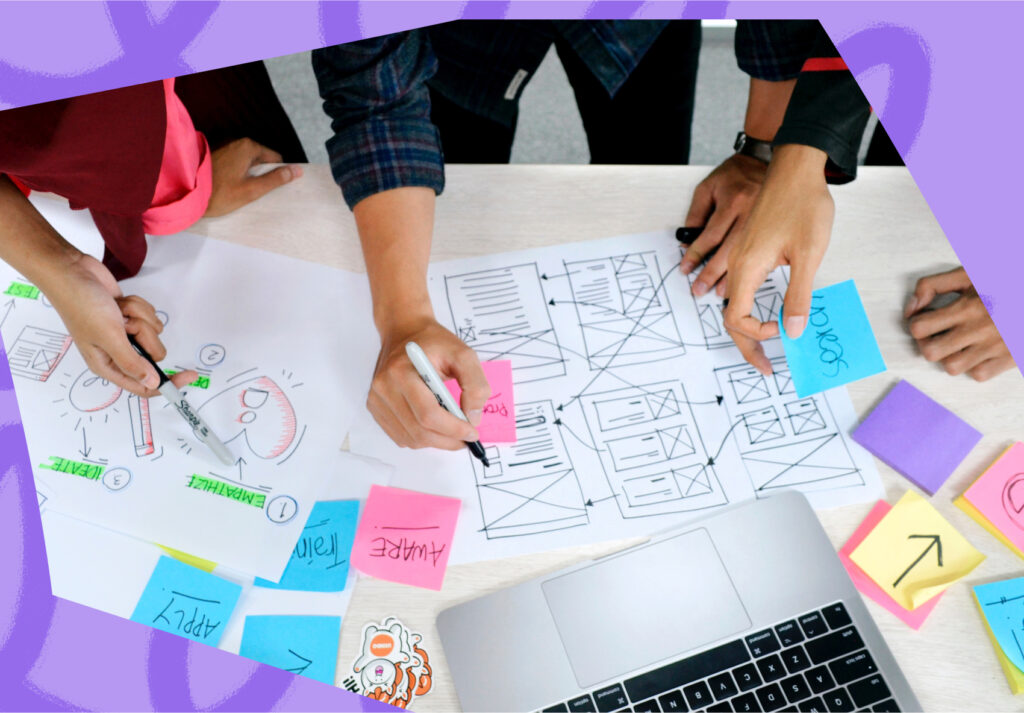
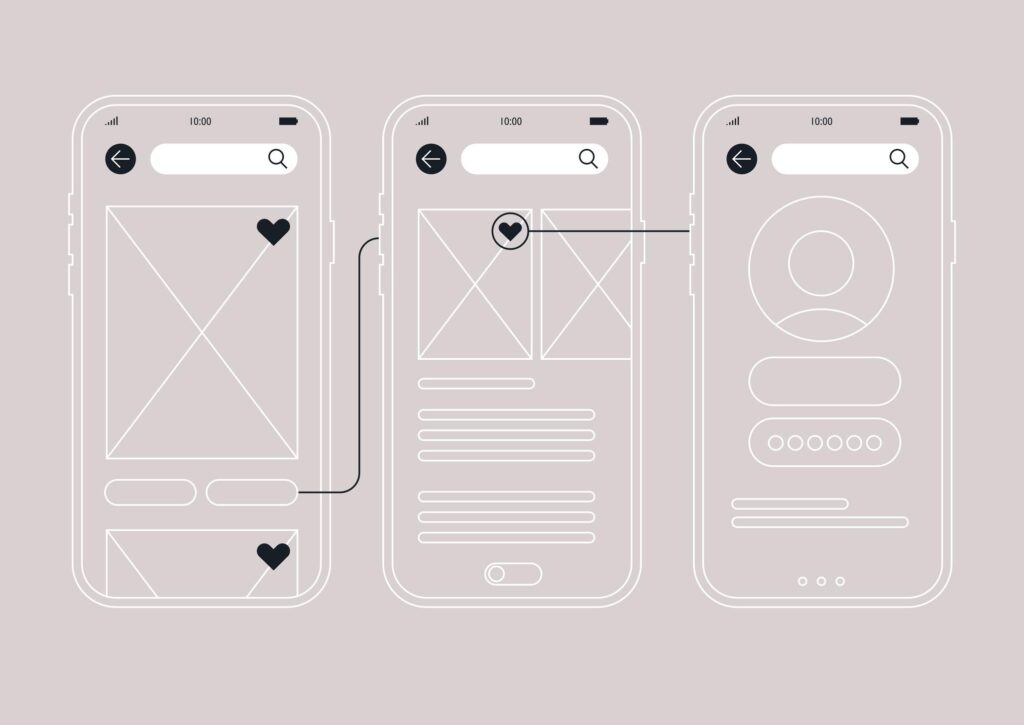
UX and product designers collaborate with product managers, engineers and researchers to create digital products that work effectively for users.
Who Should Consider Transitioning Into UX?
UX design attracts professionals from a wide range of backgrounds. What these fields often share is a strong focus on understanding people, solving problems and improving how users interact with systems and services.
While anyone can transition into UX, those who thrive in the field tend to enjoy analysing user behaviour, simplifying complex systems and collaborating with cross-functional teams.
Many successful UX and product designers originally worked in areas such as:
Marketing and Communication
Professionals from marketing backgrounds bring a strong understanding of user behaviour, audience segmentation and storytelling.
Research and Psychology
Those with research backgrounds excel at conducting interviews, analysing qualitative data and understanding human behaviour.
Graphic and Visual Design
Visual designers already understand typography, layout and aesthetics, making the transition into interface design more natural.
Business and Consulting
Professionals from business backgrounds bring strategic thinking and problem-solving skills that are highly valuable in product design.
Recognising how existing experience can translate into UX helps career switchers build confidence and leverage their strengths when entering the field.
Upskilling for UX: Understanding the Discipline
Transitioning into UX requires more than simply learning design tools. It involves developing a new way of thinking about products and users.
Key areas of UX practice include:
- User Research – understanding user needs through interviews and behavioural analysis
- Information Architecture – structuring content so users can navigate easily
- Interaction Design – designing how users interact with digital interfaces
- Prototyping and Testing – validating ideas through usability testing


Learning these skills often requires a structured educational pathway. The online Master CAWEB Programmes at the University of Strasbourg such as the Certificate in Usability and UX Design and Master’s in Web Communication, Accessibility and UX Design provide a strong foundation by combining academic knowledge with practical digital skills.
Through research projects, usability studies and real-world design challenges, learners develop the competencies needed to enter the UX field with confidence.
Building a UX Portfolio
A strong portfolio is one of the most important elements when transitioning into UX.
UX employers want to see how you think and solve problems.
A typical UX portfolio includes:
- case studies describing design projects
- research insights and user personas
- wireframes and prototypes
- reflections on the design process
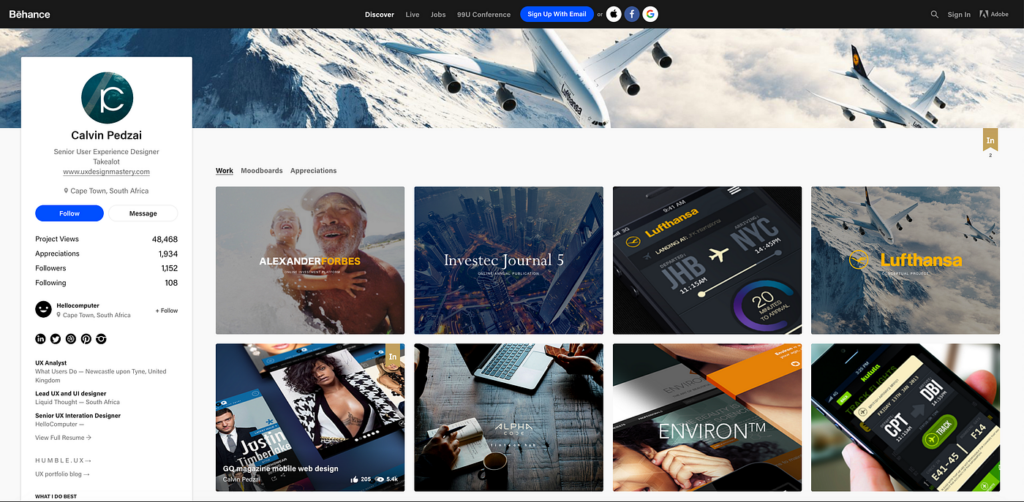
Many designers showcase their work on platforms such as Behance, Dribbble, Notion or personal portfolio websites.
Networking and Promoting Your Work
Like many creative and digital industries, the UX field benefits greatly from community engagement and professional networking.
Aspiring designers can connect with the broader UX community through:
Online platforms
Portfolio communities
Mentorship and learning platforms
- ADPList
- UX meetups
- design conferences and webinars
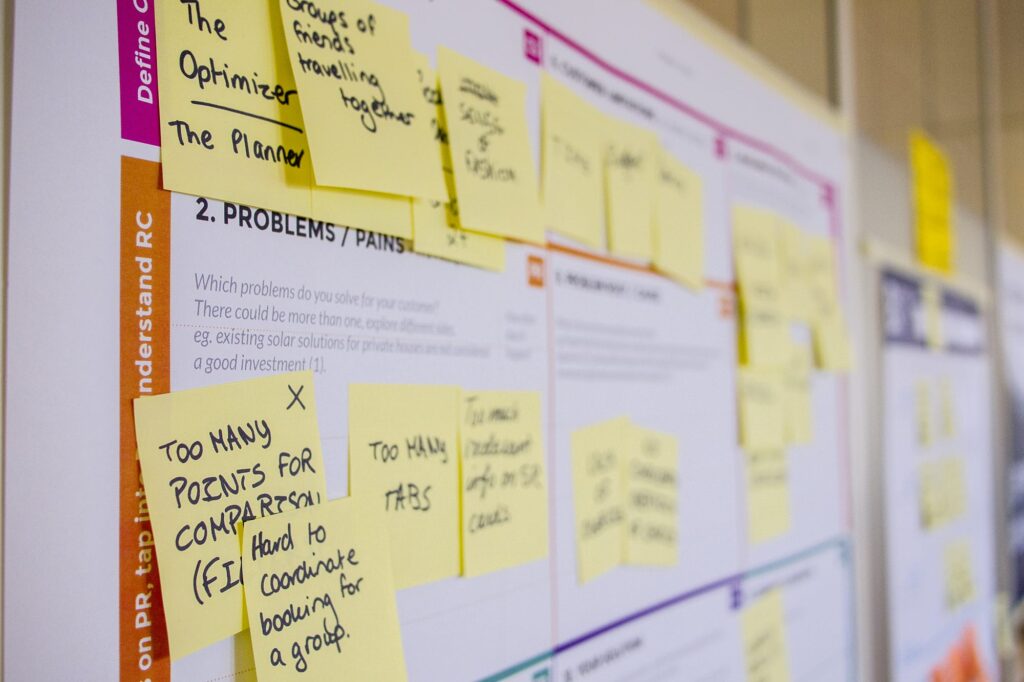
Engaging with these communities helps career switchers learn from experienced designers, receive feedback on their work and discover opportunities.
A Career Path Built on Human Understanding
Transitioning into UX or product design offers an opportunity to work at the intersection of technology, creativity and human behaviour. As digital products continue to shape our world and artificial intelligence introduces new interaction challenges, the role of designers who understand people has never been more important.
For professionals looking to expand their skills or shift into the digital industry, building expertise in UX design can open the door to a dynamic and impactful career.
Educational programmes such as the CAWEB Certificate and Master’s in Digital Communication and UX provide a structured pathway for career switchers to gain the knowledge, practical experience and professional network needed to enter this evolving field.
As companies increasingly prioritise user centred design, the future of digital innovation will be shaped by professionals who understand not just how technology works but how people experience it.
Next and previous articles
Other articles
-
Discover our online Master’s CAWEB Program in digital communication
-
Designing for the European Accessibility Act (EAA 2025): A Global Shift Toward Digital Equality
-

How to choose the right CMS for your web project in 2024?
-
Digital Storytelling for Brands: Connect with Your Audience
-
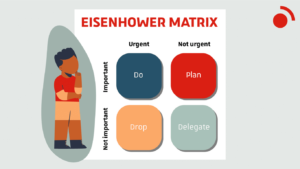
Put an end to your to-do list, use the Eisenhower Matrix