 Master CAWEB
 Designing for the European Accessibility Act (EAA 2025): A Global Shift Toward Digital Equality
In the modern era, “Accessibility” is no longer just a silver-handled lever on a bathroom door or a concrete ramp tucked at the back of a building. Today, Accessibility is defined as the proactive design of products, devices and services so they are usable by everyone, regardless of their physical, sensory or cognitive abilities. It is about removing the “digital curbs” that prevent over 1.3 billion people worldwide (roughly 1 in 6 of us) from participating in society.
As of June 28, 2025, this principle moved from a moral suggestion to a legal mandate with the full enforcement of the European Accessibility Act (EAA). For digital professionals, this isn’t just a regulatory update; it is a fundamental shift in how we conceive, design and deploy products for the global market.
Who is Accessibility For? Designing for the Human Spectrum
When we talk about Accessibility, we are designing for the diverse human spectrum. This inclusive approach follows the social model of disability, focusing on four key user groups:
- Permanent Disabilities: Users with visual (blindness, color blindness), auditory (deafness), motor (paralysis, tremors) or cognitive (dyslexia, autism) impairments.
- The Aging Population: The “Silver Economy” of users experiencing natural declines in vision, hearing and fine motor dexterity.
- Temporary Disabilities: Anyone experiencing a short-term limitation, such as a broken dominant arm or recovery from eye surgery.
- Situational Constraints: Users in restrictive environments, like someone viewing a screen in bright sunlight or watching a video without sound in a noisy public space.
By designing for these “edges,” we create a more resilient, high-performing digital experience that benefits every single user on the planet.
The Lineage of Progress: From Sidewalks to Software

Accessibility didn’t start with a line of code; it started with a demand for basic human dignity. The movement has its roots in the aftermath of World War II, shifting from a “medical model” (fixing the person) to a social model (fixing the environment).
This led to the “Curb-Cut Effect“: features designed for the edges like sidewalk ramps for wheelchair users ended up benefiting everyone, from parents with strollers to travelers with luggage. In the digital age, this effect continues: captions designed for the Deaf are now used by millions watching videos in loud environments or silent offices.
The EAA is the culmination of this journey, moving beyond the 2016 Web Accessibility Directive (which covered the public sector) to finally hold the private sector accountable for the barriers they create online.
The Landscape in 2026: A Reality Check

Where do we stand today, nearly a year into the EAA’s enforcement? The digital landscape is a study in contrasts. While assistive technology (AT) like eye-tracking and AI-driven screen readers has reached new heights, the “foundational” web remains broken.
The 2025 WebAIM Million report revealed a startling reality: 95.9% of the world’s top homepages still fail basic Accessibility tests. The most common offenders are:
- Low Contrast Text: Making content unreadable for those with visual impairments.
- Missing Alt-Text: Leaving screen-reader users in the dark about visual content.
- Empty Links: Buttons that say “Click Here” without context, making navigation a guessing game.
Under the EAA, these are no longer just “bugs”; they are legal liabilities that can result in products being restricted from the EU market entirely.
The Scope: More Than Just a Website
A common misconception is that the EAA is only for “software.” In reality, the Act covers a hybrid world where hardware meets software:
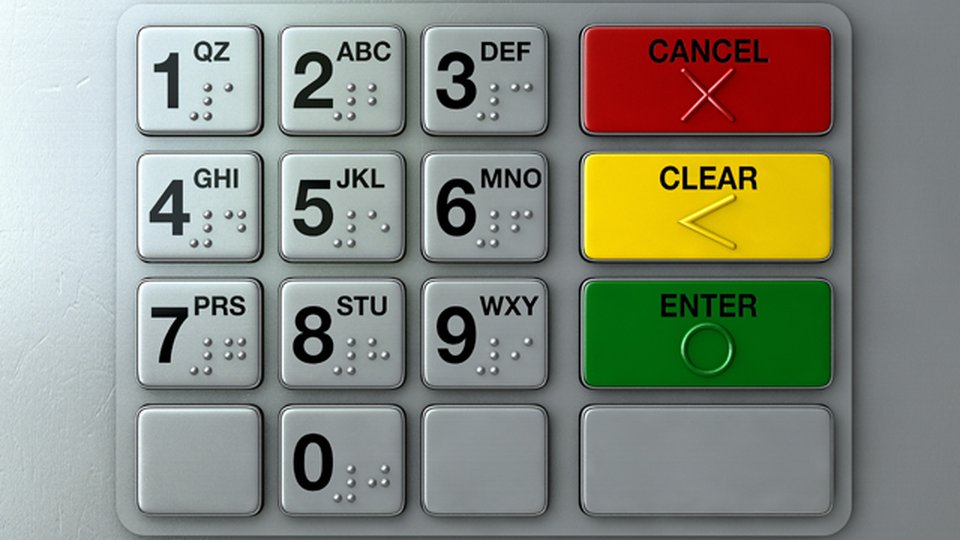
- Self-Service Terminals: ATMs, ticketing kiosks, and airport check-in screens must now feature tactile feedback, adjustable heights, and audio interfaces.
- Consumer Hardware: Smartphones, tablets, and e-readers are legally required to be accessible from the moment they are unboxed.
- The E-Commerce Loophole: If you sell anything online—from apparel to electronics—your entire digital storefront is in scope. While a physical chair doesn’t have to be “accessible,” the process of buying it (the website, payment gateway, and digital receipt) absolutely does.
Macro Statistics: The Case for Inclusion
The scale of the Accessibility market is often underestimated. For digital creators, these numbers represent both a responsibility and an opportunity:
- The “Purple Pound”: The global disability market, including family and friends, represents a collective spending power of over $13 trillion.
- The Aging Factor: By 2050, 2.1 billion people will be over the age of 60. Accessibility is the only way to ensure this massive demographic can continue to use digital tools as their vision or motor skills change.
- The Silent Churn: 71% of customers with disabilities will abandon a website that is difficult to navigate. They don’t file complaints; they simply take their business to a competitor who prioritizes inclusion.
Designing for EAA 2025: A Practical Framework
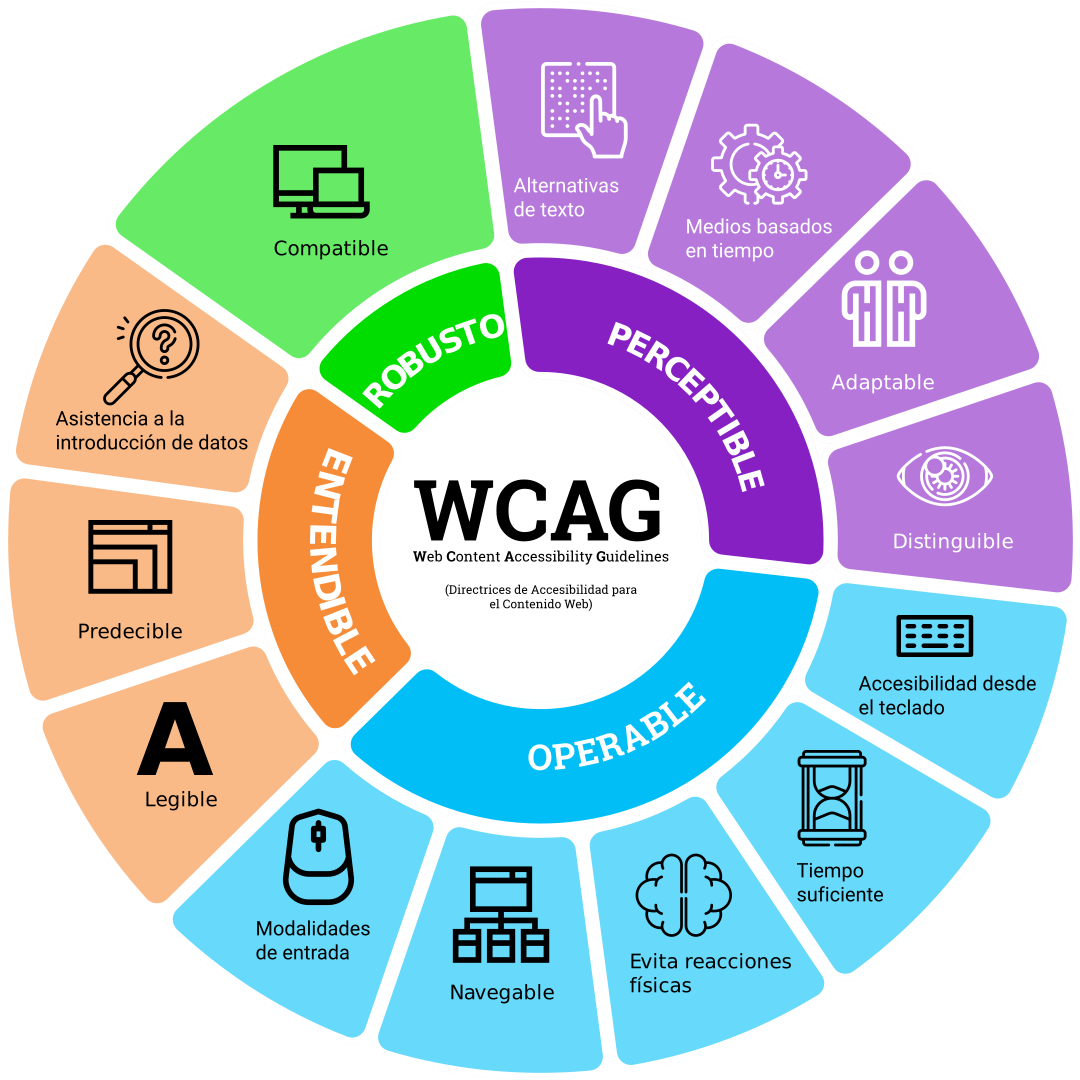
The technical benchmark for the EAA is WCAG 2.1 Level AA. For CAWEB designers and developers, the roadmap to compliance follows four pillars:
- Perception: Can they see and hear it? Don’t rely on color alone to convey meaning. Use icons, high-contrast ratios (at least 4.5:1), and descriptive alt-text.
- Operability: Can they use it? Put your mouse away and try to navigate your site using only the Tab and Enter keys. If you get stuck in a “keyboard trap,” you are non-compliant.
- Understandability: Does it make sense? Avoid jargon and use clear error messages. If a form fails, tell the user exactly how to fix it.
- Robustness: Does it work with their tools? Use semantic HTML (like <button> instead of a styled <div>) so screen readers can interpret your interface correctly.
From Theory to Practice: Best-in-Class Examples

Seeing EAA compliance in action is the best way to learn. These organizations prove that world-class design and strict accessibility are not mutually exclusive.
The Gold Standards
- GOV.UK: The global “North Star” for content accessibility, prioritizing a strictly logical hierarchy and ultra-high readability over visual trends.
- BBC News: Masters the art of accessible dynamic content, ensuring live news feeds are easy to navigate for users with assistive technologies.
SaaS & Infrastructure
- Stripe: The gold standard for financial SaaS. Its design system ensures that complex tracking payment flows, dashboards, and developer docs remain accessible through clear semantics and high-contrast visuals.
- GitHub: Manages extreme technical complexity using the Primer design system, making code reviews and issue navigable via keyboard and screen readers.
- Slack: A leader in accessible real-time communication, utilizing ARIA Live Regions to announce new messages without disrupting the user’s focus.
Inclusive E-Commerce
- Apple: Features an accessible store where product configurators are fully compatible with VoiceOver, announcing everything from device colors to storage tiers.
- Target: Features an accessible shopping experience with consistent touch targets and screen-reader-friendly filters.
- ASOS: Committed to WCAG 2.2 AA across its apps and web storefront, ensuring fashion is inclusive for all.
Award-Winning Innovation
Leading the charge in 2025 and 2026, Zaragoza, Spain won the 2026 Access City Award for its inclusive digital services, while Unilever took home the 2025 Disability Smart Technology Award for its global accessible QR code rollout.
The “Brussels Effect”: A Global Transformation
While the EAA is a European directive, its gravity is felt worldwide. We are witnessing the “Brussels Effect”, where EU regulations effectively become the global default.
Multinational giants like Apple and Google rarely build separate “Accessible” versions of their products just for Europe. Instead, they bake EAA compliance into their global cores. This means a smartphone interface designed for Berlin is the same one used in New York or Dubai.
By codifying WCAG 2.1 as the legal benchmark, the EU has “picked a winner” for global technical standards. For students, this means mastering one set of international guidelines grants you the keys to every major digital market on earth. It has shifted the conversation from “How do we avoid a lawsuit?” to “How do we maintain global market access?”
Conclusion: Accessibility as the Ultimate Innovation
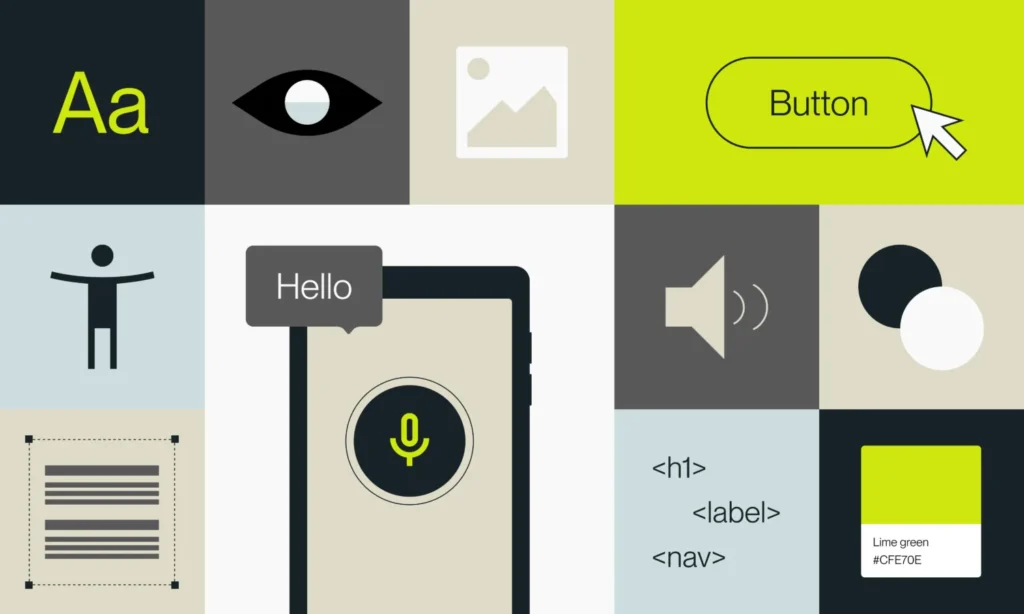
As we move further into 2026, the EAA should be viewed not as a hurdle, but as a catalyst for innovation. Voice-to-text was originally an Accessibility feature; it is now a cornerstone of the modern “smart home.” High-contrast modes paved the way for “Dark Mode,” now used by millions to reduce eye strain.
The EAA 2025 is an invitation to think bigger. For the next generation of digital creators, mastering these principles means you aren’t just a “web creator”, you are an architect of an inclusive future where the digital world is open to everyone, regardless of how they interact with it.
Advance Your Career with Master CAWEB at the University of Strasbourg
If the EAA 2025 is the “what,” the University of Strasbourg provides the “how.” Located at the heart of Europe, just steps from the European Parliament, this Top 10 French University offers the Master’s in Digital Communicaiton and UX Design and the Certificate in Usability (CAWEB). 100% online, English-taught programs designed for working professionals to earn a global degree from anywhere in the world.
Written by : Salma El Mestekawy